In 2022, the world was shaken, and many of our compatriots, for various reasons, decided to live in another country. Some simply decided to "see what it's like," while others sold all their belongings and set out to conquer the unknown, unafraid of any difficulties. So, let's choose a country to move to.

However, Russians aren't welcomed with open arms everywhere, and a new country can be a major challenge for you and your family—an unfamiliar language, complicated paperwork, distance from home, financial, everyday, and other issues that can become challenging, sometimes insurmountable.
We all have different jobs, family sizes, language skills, ages, and income levels—so the optimal choice will be unique to each individual. We'll try to categorize the most popular relocation destinations for Russians in 2022 and help you make the right choice.
If you have “roots” in countries where you can easily obtain second citizenship.
Israel, Armenia, Kazakhstan, Mexico, Poland, and many other countries offer opportunities to obtain citizenship or residency through family ties. Is your father Armenian and your grandmother Jewish? You can restore citizenship based on the ethnicity of your ancestors and significantly simplify your future relocation, or perhaps even remain in the home of your grandparents.
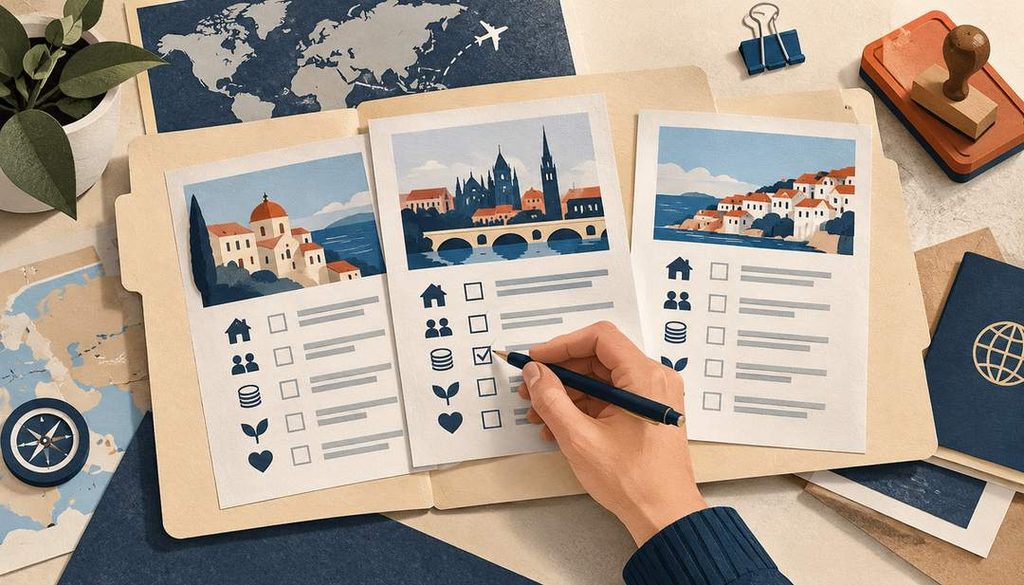
Although the Russian passport remains a fairly high-quality travel document with decent visa-free entry, entering Europe has become much more difficult for Russian citizens, and in other countries, after relocating, you may face widespread and unjustified refusals to issue local documents (as, for example, in Georgia).
For this reason, you can even obtain a much weaker passport and then apply for all the necessary documents. So, if you have national roots in other countries, your situation becomes much simpler, and your choice may be determined by your nationality.
If you do not have national “roots”, but have reasons for staying in another country - for example, work or marriage
Roughly the same, but to a lesser extent, applies to those who collaborate with foreign companies. Many of them will be willing to hire you, arrange a transfer to an overseas office, or simply help you with the paperwork as an employee.
If you work for a large international corporation, your HR department will have no trouble issuing you a work invitation to another country, for example, moving you to Georgia, Germany, or even the United States—provided you find the time and opportunity to visit the consulate to obtain a visa.
The same applies to your wife/husband: first of all, you can consider those countries where it will be easier for you to “get a foothold” or obtain the appropriate package of documents for further movement around the world.
If you have neither “roots” nor foreign work
Now let's move on to real-life scenarios where you don't have a backup plan but want to create one yourself. Let's assume you have a certain financial cushion that could allow you to first settle in another country, obtain all the necessary documents, and then consider employment and employment. But all you have is a Russian passport.
Georgia
The easiest option is Georgia. It's located right next to Russia, and its very lenient visa regime allows you to essentially just come and live.
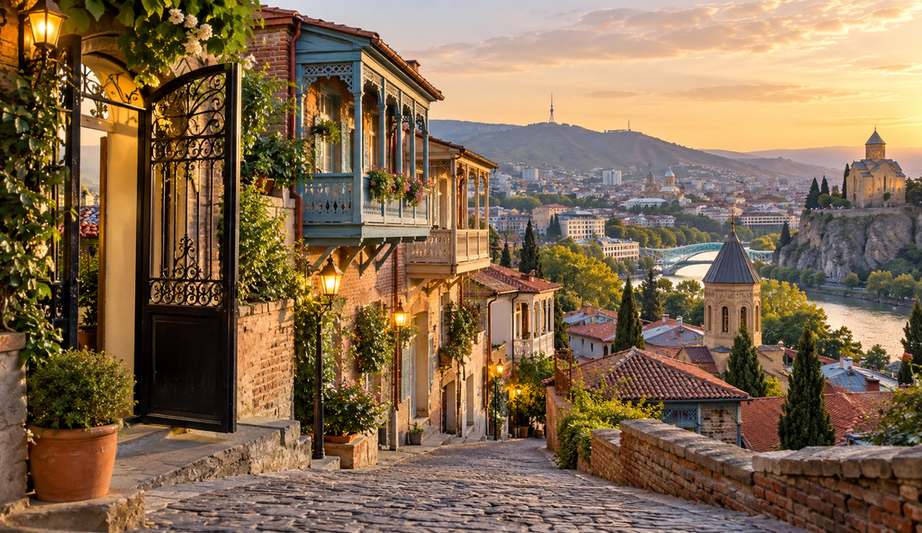
Pros: low cost of goods and services, a very lenient visa regime (up to a year's stay with a stamp in your passport, visa runs are possible), easy business/freelance registration with a 1% tax rate, lenient liberal legislation, no language barrier (almost everyone understands Russian), an excellent banking sector, a country fairly developed in a European vein - but with a mentality quite familiar to Russians.
Cons: Political events can complicate life and bring instability, difficulties with bills and documents (many unjustified refusals), a long and complicated naturalization process—you won't get a passport without Georgian roots, many stray animals, and crazy traffic. There are no direct flights from Russia (only via Vladikavkaz and then by car, or by plane via Yerevan).
Verdict: Georgia is a great stopover point where you can gather your thoughts, set up your life without breaking the bank, and figure out what to do next. If you want, you can stay; if not, you can move on.
Armenia
Armenia is another post-Soviet country that's very easy to enter and fairly easy to stay in. Although the visa-free stay in Armenia is shorter than in Georgia, obtaining documents for a long-term stay is significantly easier than in Georgia. Prices are generally lower than in Georgia, but real estate prices have skyrocketed, both for rent and purchase.
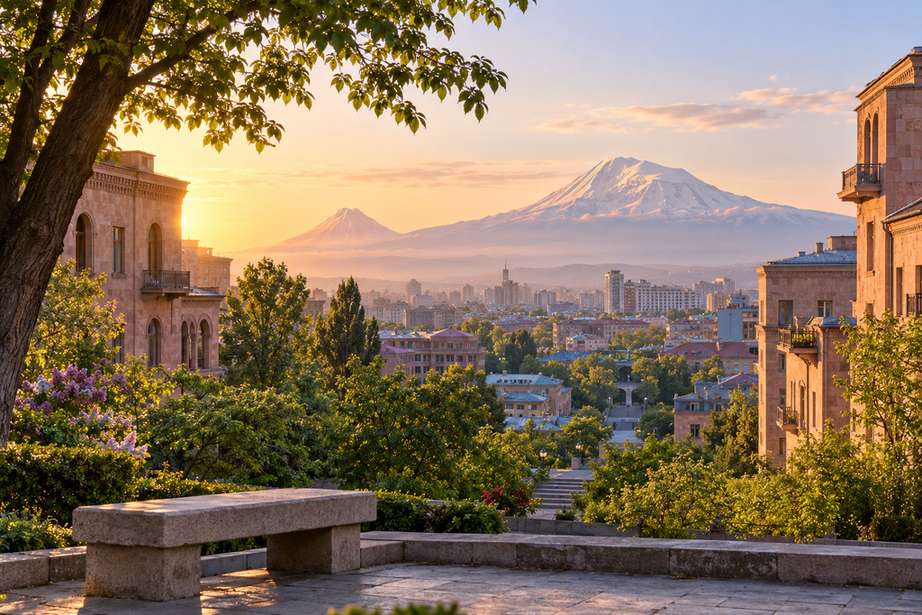
Pros: You can use your internal passport. It's perfect if you only have a Russian passport—you can get an international passport through the consulate. Delicious and inexpensive food, friendly attitudes toward Russians from the locals, and a lenient policy toward relocators. There's no language barrier; everyone understands Russian. The climate is mild.
Cons: Armenia is a CSTO member state, and if you have any legal issues, you'll be sent back to Russia on the next flight. The banking sector is poor, and overall, the country, even in appearance, is significantly less well-maintained and prosperous than neighboring Georgia. Housing prices in Yerevan are high.
Verdict: Suitable if you only have an internal passport. Basically, the same applies to Kazakhstan/Kyrgyzstan.
Turkey
Turkey is one of the top destinations for relocators in 22. Previously, Turkey was deservedly a top tourist destination, but now, compatriots have begun moving there en masse to settle permanently. It's also a relatively simple destination, but compared to the CIS countries, it's starting to have significant disadvantages and challenges.
Pros: warm, beautiful, interesting, inexpensive, the sea. Turkey is a country at the crossroads of cultures and continents, steeped in history and home to a vast number of people of diverse cultures, religions, traditions, and beliefs. Obtaining residence permits is relatively easy—you'll likely need help from someone, but they're relatively efficient, and you don't need anything. Buying property becomes even easier. The lira has weakened significantly in the last year, so aside from housing prices, everything else is inexpensive. Also, no one looks askance at Russians there.
Cons: No one understands either Russian or English—the language barrier will be a real challenge. You'll likely have to rely on assistants, translators, intermediaries, and other agents to obtain documents, open accounts, and obtain household services. The banking sector is unfriendly and difficult to navigate, and business registration is difficult. Locals often feel compelled to extract as much money from you as possible. Child support can also be a challenge. Cultural compatibility can also be a challenge—Turkey is a largely secular country, but it is also Muslim. If you're not Muslim, this can present a number of challenges. Documents must be apostilled.
Verdict: Turkey is a great choice if you're alone and flexible enough. If you don't mind spending half an hour arguing with a taxi driver via Google Translate to defend your 50 lira, you likely won't have any significant difficulties. Having the funds to buy your own apartment, even a small one, will also be a huge plus—it'll make the paperwork much easier.
Argentina and other Latin American countries
Another popular destination for Russians, Latin American countries, led by Argentina, attract our compatriots with very lenient laws on naturalization and obtaining second citizenship, as well as a low cost of living. However, there are many pitfalls, which have attracted numerous relocators this year.
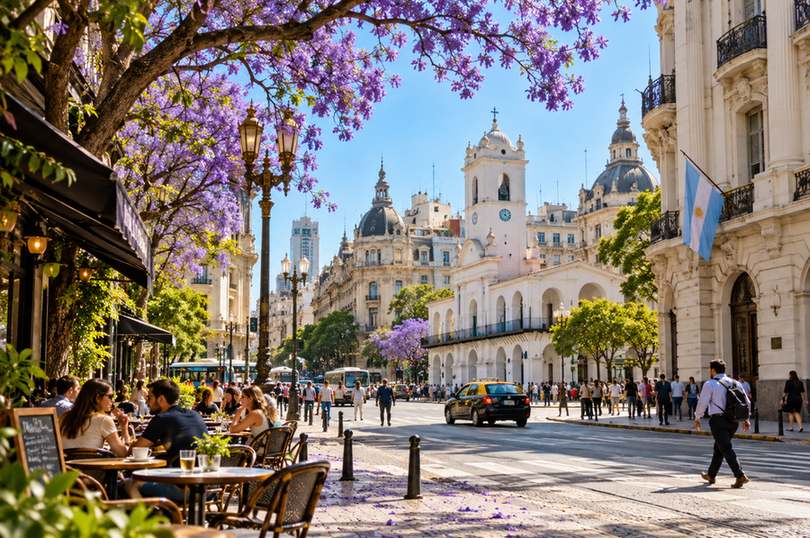
Pros: relatively low cost of living, lenient immigration laws, political crises in Europe have no impact on Latin America, free healthcare even for foreigners, and a generally high level of comfort for a reasonable price. Naturalization (passport) is available after two years of legal residence in the country, and parents receive their passports immediately after the birth of a child in the country, making for a very strong passport.
Cons: Getting to South America can be difficult and expensive, documents require apostille, Latin American bureaucracy is even worse than in Russia—you'll likely be overwhelmed with paperwork and certificates (or you'll have to pay lawyers to handle all the paperwork for you), high inflation and difficulties with money circulation, crime (yes, there are countries where this is still a problem, especially Brazil and Peru). Also, the magic carrot of "passport in 2 years" is actually "passport in 3-4 years, if you're lucky"—all due to the bureaucratic complexities.
Verdict: It's good if you have a sufficient influx of money from outside (to pay lawyers), your accounts are located somewhere in a neutral jurisdiction, and you are going to a country far away only to live as a "rentista" and wait until it's time for you to go get a second passport.
Portugal
This European country may be particularly attractive to digital nomads, as you can obtain a D7 visa for long-term residence. Digital nomad visas are now available in many countries: Europe, the Caribbean, and even Kyrgyzstan have introduced the option of obtaining a nomad residence permit. However, of all the existing visa options available in this market, Portugal's is the most sought-after.
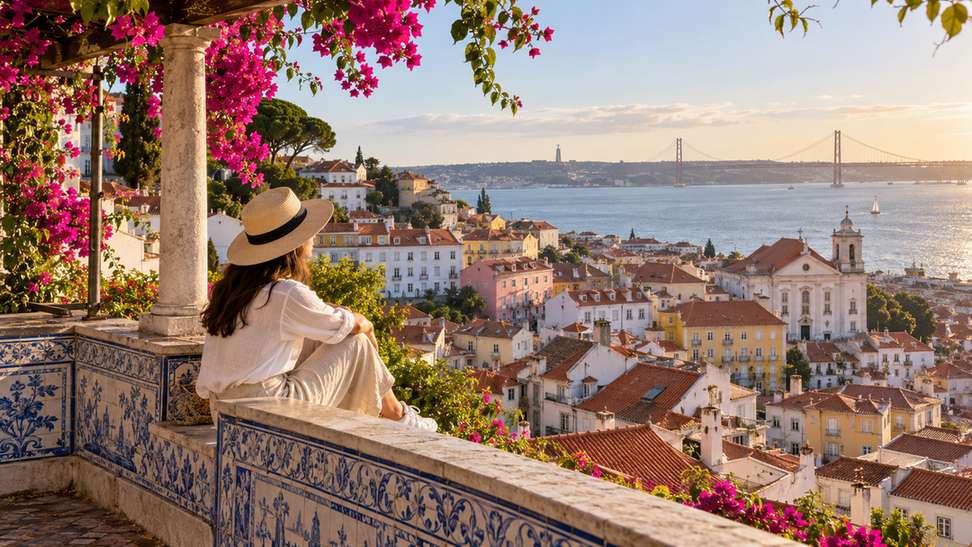
Pros: not the most expensive European country, relatively easy to obtain a visa, the opportunity to "get a foothold" and stay there for a longer period, the sea, trams, beautiful and quiet.
Cons: You'll need real, properly documented income. If you're already outside of Russia, you'll need to convince the Portuguese consulate that you can't obtain a visa at your permanent place of residence (Russia is the default for all Russian citizens), and that you'll need to renew your documents or find an alternative after one year of residence.
Verdict: If you're a highly paid freelancer or a remote employee of a foreign company and want to live in Europe, this is probably the easiest way to move there completely legally.
Countries of Southeast Asia
Southeast Asia is another popular destination for our tourists. It's cheap, vibrant, sweet, colorful, noisy, and offers the perfect combination of sea and heat for the adventurous traveler. However, living there permanently isn't always the best choice, and I'll explain why.
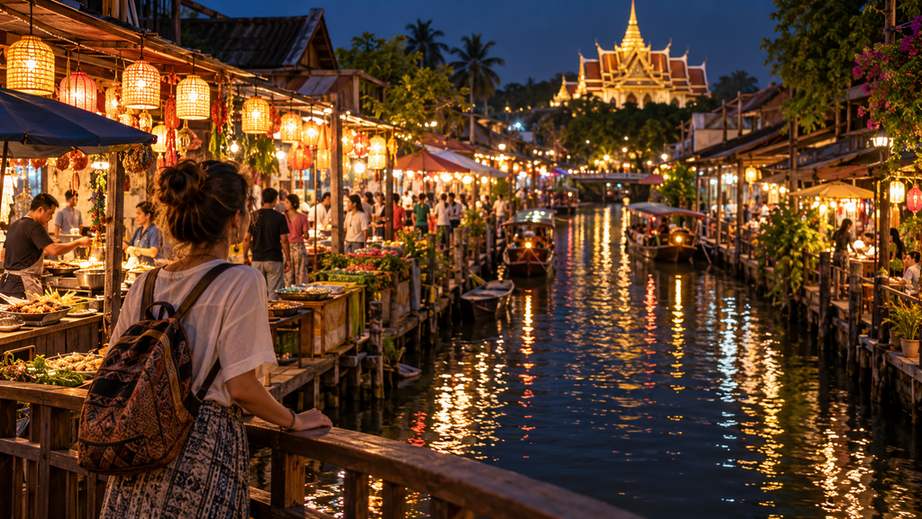
Pros: cheap food and services, abundance of tropical fruits and seafood, inexpensive real estate rentals, visa-free entry.
Cons: Lack of adequate programs for long-term stays, and you'll constantly have to deal with visa issues. Low salaries if you decide to work locally. There are too many tourists, and locals speak poor English. If you have children, their education and leisure time can be a significant challenge. Also, there are no naturalization programs, so you won't be able to count your time spent in Southeast Asia toward your second passport.
Verdict: Good if you're energetic, young, fresh, not tied to one job, and looking for exciting experiences. Bad in all other cases. It's also suitable if you're a pensioner—there are programs for pensioners that offer multi-year "pensioner" visas for extended stays.
Montenegro
Montenegro, a coastal European state and a candidate for EU accession, offers a Mediterranean climate, a relaxed lifestyle, low crime rates, and a large Russian-speaking community, making it a very attractive relocation destination. However, as with everything, there are pros and cons.
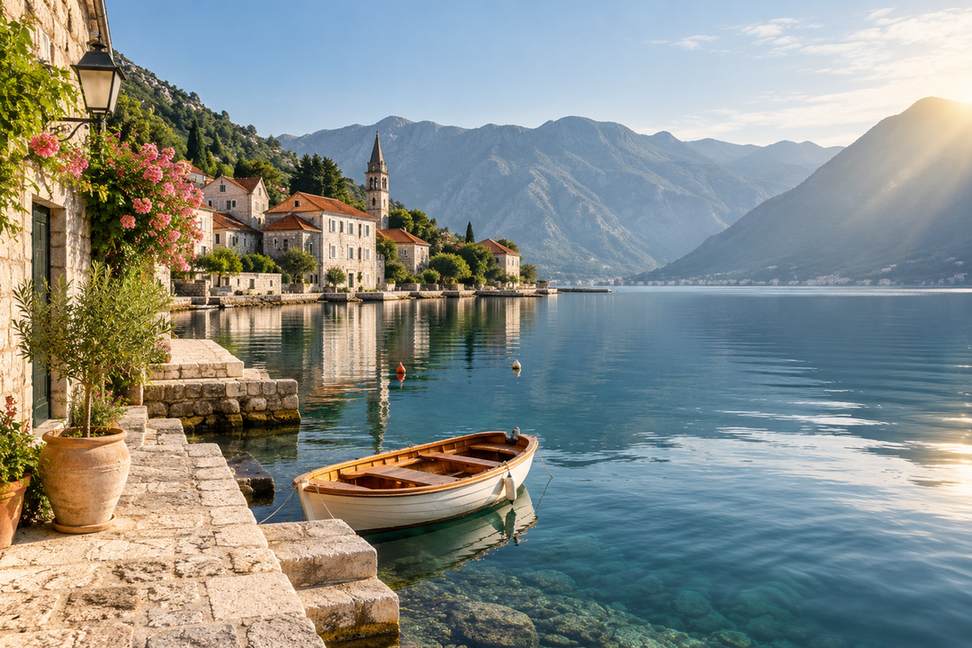
Pros: You can obtain a residence permit through real estate, with no price restrictions. Mild climate, friendly locals. Proximity to Europe (in fact, Montenegro is already part of Europe).
Cons: bureaucracy, slow processes, a residence permit requires actual residence in the country, otherwise it will be revoked, and it does not grant work rights. Documents require apostille (in principle, this is only exempted in countries that have signed the Minsk Convention). Getting to Montenegro from Russia can be challenging—direct flights are very difficult to find, so you'll likely have to travel via Serbia, Turkey, or other countries.
Verdict: A good place if you've decided to settle permanently by the sea, while earning money somewhere else.
Serbia
Serbia is another European country that's not yet part of the EU. Many consider Serbia alongside Montenegro, but there are differences. Serbia has a much more vibrant life overall, but you won't be able to relax by the sea due to its lack of a beach. The primary route to obtaining a residence permit is also different: while in Montenegro you can buy a small studio apartment and live there, in Serbia you'll need to register a company and meet a number of requirements to obtain residency.
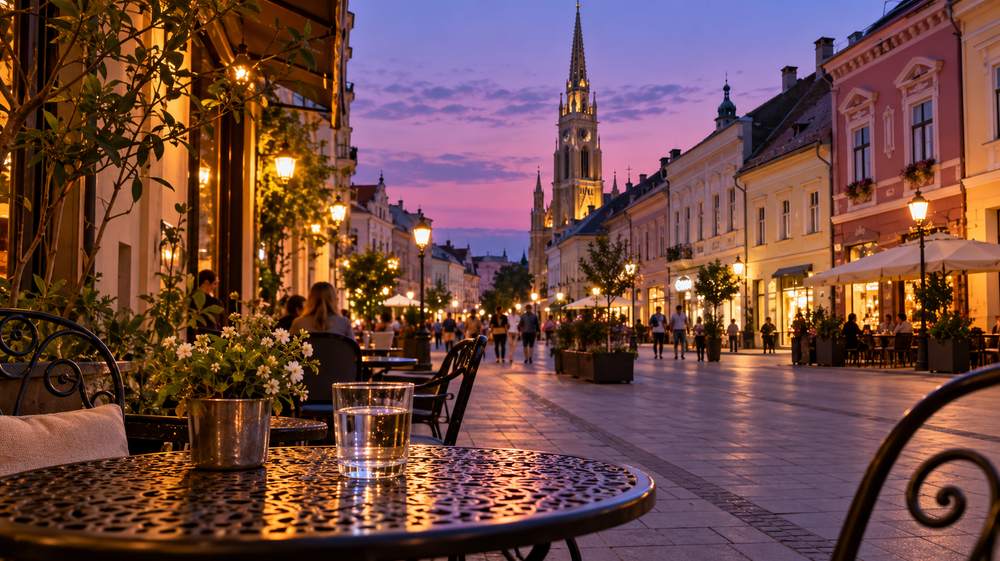
Pros: Almost European, good attitude towards Russians, generally straightforward procedure for obtaining a residence permit, good business opportunities, low housing and living costs.
Cons: bureaucracy, need to comply with requirements for obtaining a residence permit, may be difficult with children.
Verdict: A good option if you want to go somewhere in Europe, but don’t want to suffer too much when applying for visas and documents.
So, that's it?
No, that's far from all. Our compatriots often choose other countries for relocation: Hungary, Uzbekistan, the USA, Canada, Bulgaria, Israel, Mexico, and many others. However, in this article, I've listed the main destinations—those that our compatriots consider the easiest and best to travel to.
Overall, relocation is more complex than it seems, and even if you've done all the research before moving, you might still encounter unexpected complications once you're there. Some people simply run out of buckwheat in supermarkets, while others face more serious issues. Whatever the case, it's worth being prepared for unexpected challenges.
If you have any questions about this article or are planning a move, please feel free to contact us.
Subscribe to our Telegram to stay up to date.

Relocator is a multi-functional agency specializing in foreign assignments. We offer employment abroad, immigration and visa processing, consultations on international banking services, assistance with remote account opening and card applications, investment real estate, and much more.